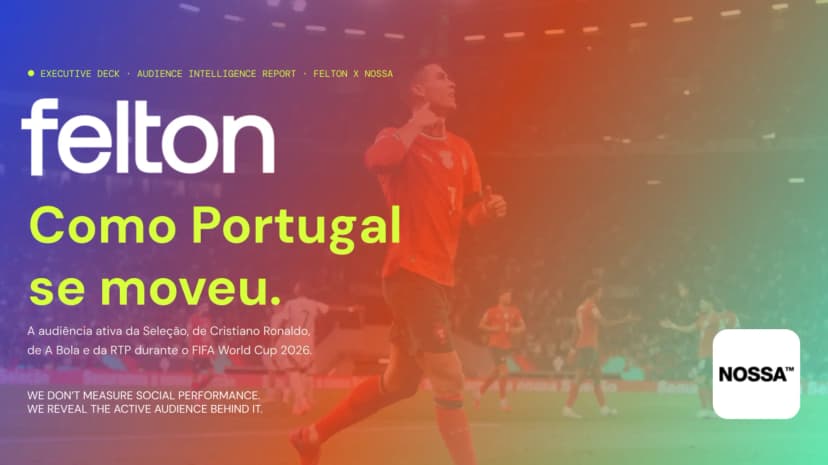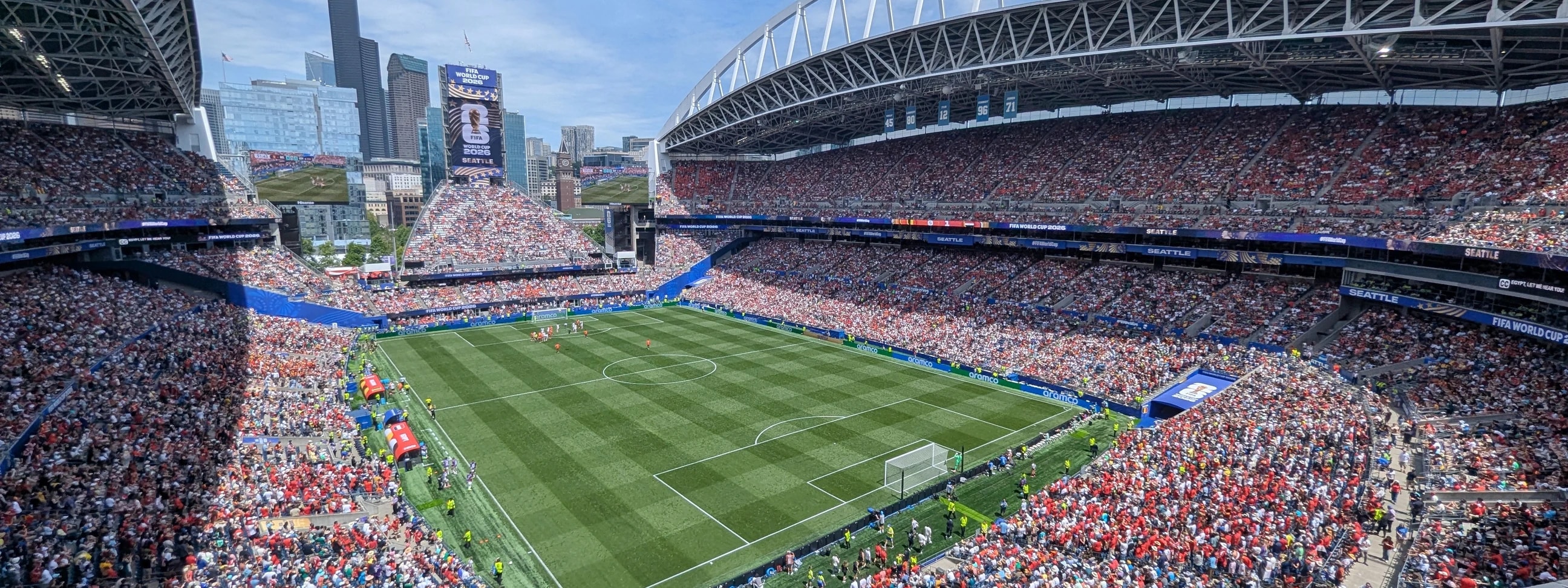
The 2026 FIFA World Cup is running across the United States, Canada and Mexico with a 48-team field, the largest in the tournament’s history (FIFA). It is producing more content, in more markets, than any edition before it. Every piece of it is being counted. Impressions, views, followers, reach. Very little of it is being understood.
That is the position most organisations find themselves in during a global event, the exact problem audience intelligence sets out to solve. They can report the size of the audience to the decimal point. Ask them who was actually in it and the answer turns vague.
The limits of reach metrics
A single World Cup match produces millions of interactions across social platforms. In most reporting, all of it collapses into a handful of totals: ten million impressions, two million video views, a follower count that jumped during the final. Those numbers are fine for a headline and close to useless for a decision.
The questions that decide value are harder to answer. What kind of people made up that audience and which brands did they already trust before your logo appeared? Ten million impressions against a tightly matched audience is worth far more than the same ten million against a random one, even when the media report shows an identical figure. Volume tells you the room was full. It says nothing about who came.
First-party data shows you the fans you already have
There is a good, well-established fix for fragmented fan data: unify what you already own. Customer data platforms (CDPs) pull ticketing, merchandise, app, email, loyalty and CRM records into a single profile of a known customer. It works. Clubs that do it stop treating one person as five disconnected records and start recognising them across the relationship.
The limit sits in the word "known". A CDP sees the people who have already transacted with you: the season-ticket holder, the shirt buyer, the app user. During a World Cup those people are a fraction of the audience in play. The tens of millions watching, arguing and sharing across the world mostly never buy a ticket, install an app or land in a database. Your first-party data was never going to describe them, because they were never in it.
Audience intelligence shows you the audience you don’t own
Audience intelligence works from the opposite starting point. Rather than joining up the records you hold, it reads the public signals the wider audience already leaves across social platforms and builds a picture of who those people are, without any transactional relationship with them at all.
For a global event, that is usually where the money sits. It is also where fan engagement happens at scale. A sponsor is not paying to reach your forty thousand members. It is paying to reach some slice of the tens of millions following the tournament. It wants to know whether that slice resembles its customers before it signs. No CRM can answer that question, for the simple reason that those people are not in anyone’s CRM.
None of this argues against first-party data. A CDP makes the relationships you have deeper, audience intelligence describes the ones you have yet to make. In practice, large events tend to use both.
Audience intelligence is the job. How deeply it gets done varies from tool to tool. What follows is the standard Felton holds it to.
What audience intelligence looks at
An audience profile is built from three angles on the same people, plus the brands they bring with them.
- Demographic. Who they are: age, gender, location, social class. The addressable shape of the audience, beyond its headcount.
- Psychographic. What they value, what drives them, how they live. This explains why a segment engages, not only that it did. See audience segmentation.
- Behavioral. How they act across social platforms: what they watch, share, follow and come back to.
Take two national teams with similar global followings. One audience skews young, mobile-first and deep into streetwear culture. The other skews older, family-first and rooted in the domestic league. A sneaker label and a family-car brand should not pay the same rate for those two audiences, even though the follower counts line up. On top of the three lenses, brand detection surfaces which brands an audience already engages with, across many brands at once, so a rights holder can show a sponsor exactly how much of that audience is already in its category. Reading all three lenses at once, with the brands attached, is the level Felton works at. Many tools surface one or two and stop.
Emotion changes what exposure is worth
In live sport, the same second of exposure can be worth wildly different amounts depending on what the crowd was feeling when it happened. A logo on screen during a stoppage-time winner does not land like the same logo during a disputed penalty or a heavy loss, yet an impression count files both under one exposure.
Most tools stop at sentiment: positive, negative, neutral. Felton’s Emotion AI reads which of 25+ emotions ran through an audience in a given window. For a tournament that lives on its high points, whether your brand rode a wave of pride or got caught in a wave of frustration is what separates an activation that earned goodwill from one that quietly spent it.
One fan, four platforms
A World Cup audience is spread across platforms and behaves differently on each. The same fan might post a highlight on TikTok, argue a refereeing call on X, save a goal to Instagram and sit through ten minutes of reaction on YouTube. Track one channel and you get a sharp read on a sliver of the audience and a misleading read on the rest.
Felton Audiences, an audience intelligence platform, works across Instagram, X, TikTok and YouTube, which is what makes an event-scale read hold together. Single-platform tools and older panel methods cannot reach that resolution for an audience this large and this scattered.
Who this is for
Three groups run into the same wall during a tournament like this, from three sides.
- Rights holders (federations, leagues, clubs, venues) can price and defend sports sponsorship packages with evidence about the audience instead of a reach estimate. This feeds straight into modern sponsorship valuation.
- Sponsors and brands can check whether a property’s audience resembles their target before they commit, then measure what they reached once the campaign runs.
- Media properties covering the tournament can sell on who their audience is, not on traffic volume alone.
All three are trying to understand an audience none of them owns. Headline reach figures cannot do that for any of them.
So what wins a World Cup audience?
The 2026 World Cup is being measured more heavily than any event in history. Most of that measurement stops at the size of the crowd. The organisations that get the most out of it are the ones pushing past the count to the people behind it: who they are, what they value, which brands they trust and how they react when it matters.
None of that takes more data than a World Cup already throws off. It takes reading the audience inside it, which is the whole job of audience intelligence.